**If you are on a mobile device, click the button below to read the full blog post in a web browser.
The Lost Phoebe is a story that kind of sneaks up on you, like any good short story does. We, the reader, move along the path with Henry, growing in our own heartache for the loss of Phoebe and reflecting on the real pain of losing a loved companion. When finally we are met with the consequence of such a loss for Henry we are at peace as much for Henry as for anyone who has experienced loss of a true love.
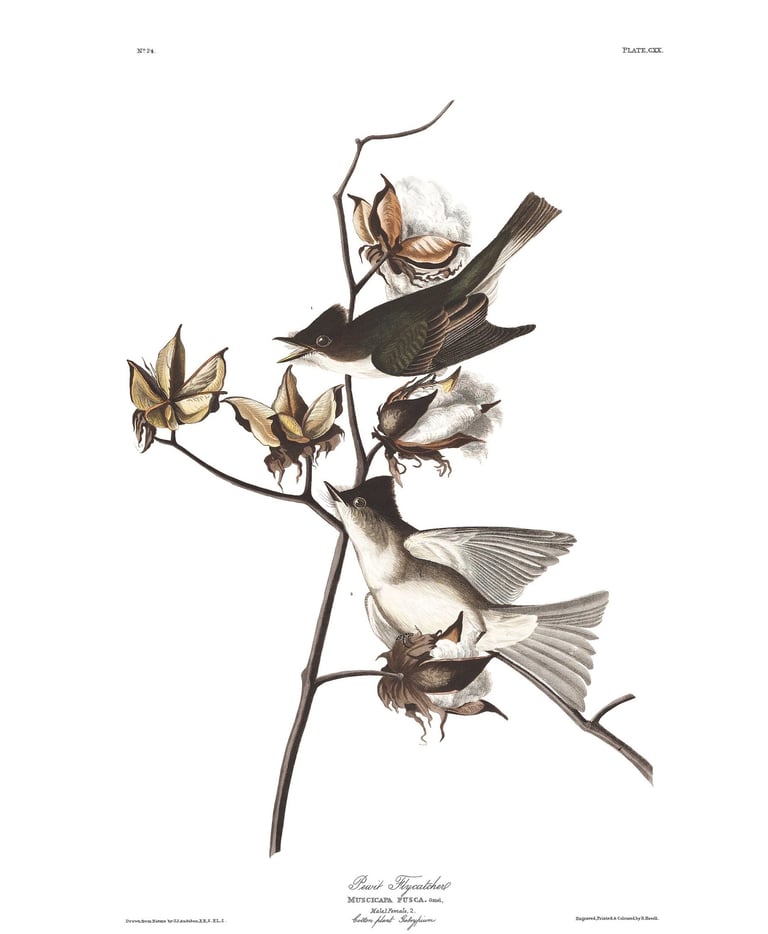
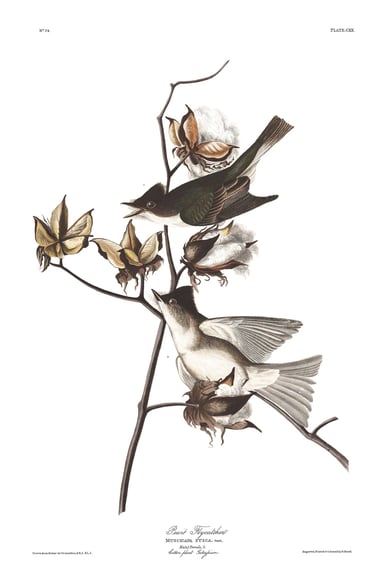
In the Eastern half of The United States, the Eastern Phoebe brings her little tune and flicking tale to let us know that Spring is here! Named after her song, “fee-bee”, this brown bird is a harbinger of Spring, with her promise of warm weather and nesting birds.
In the annals of Greek mythology there is another Phoebe, of Greek Titan fame, who is a harbinger of light and prophecy. Associated with wisdom, Phoebe, is also interchanged frequently with Artemis(Greek) and Diana(Roman), goddesses of the Earth’s moon, nature and hunting.
One night I decided to choose a particular Theodore Dreiser short story, The Lost Phoebe, to read in bed.
I’m not embarrassed to say that I thought, “how interesting is it that Dreiser is writing about a bird?”! Maybe that is all the naturalist fiction I’ve read over the years that gave me that thought! Regardless, I read with a sense of intrigue.
Quite early in The Lost Phoebe it became clear that the Phoebe in Dreiser’s short tale is an allusion to the famous Greek Titan, with her power of prophecy and bearer of light. For Dreiser, these elements become a continually crucial tool in telling the story of an old man suffering an ever growing sense of loss and the emotional and mental anguish he endures - until he, himself, finally succumbs to death.
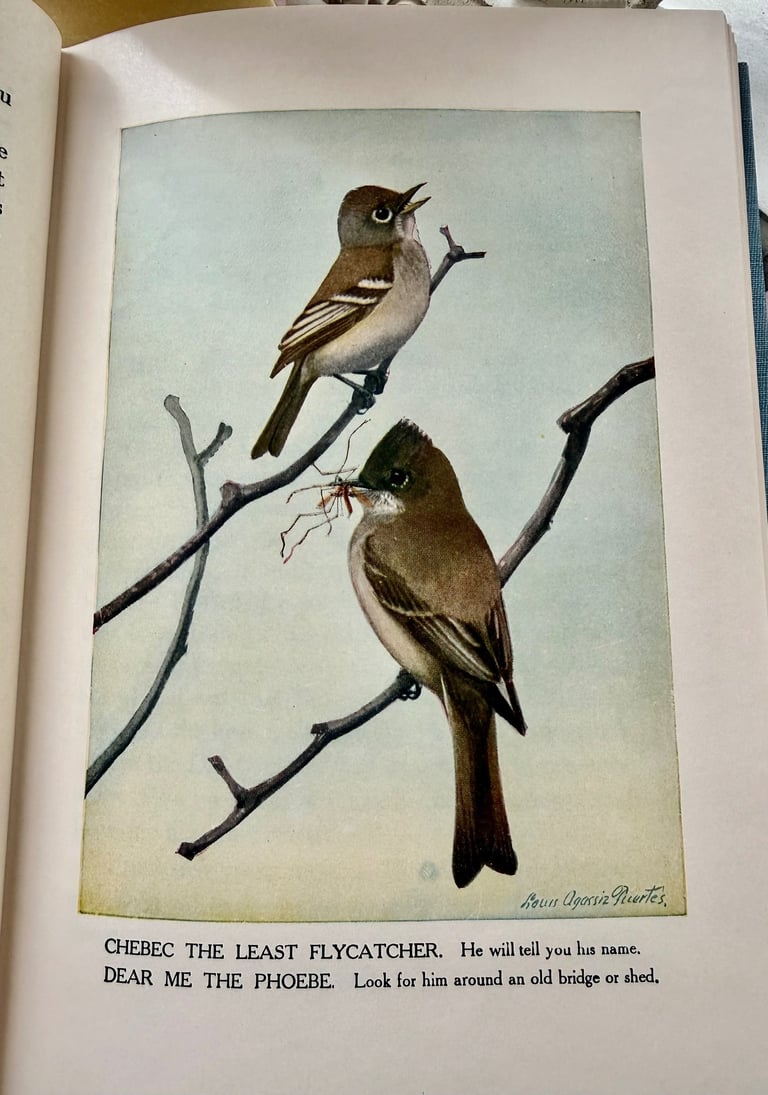
“Old Henry and his wife Phoebe were as fond of each other as it is possible for old people to be who have nothing else in this life to be fond of.”
- The Lost Phoebe, Theodore Dreiser
Dreiser’s The Lost Phoebe was written in 1915, and takes place in the “general” American Midwest on a farm, long past fruitful harvesting, both on the land and in the house of Henry and Phoebe Reifsneider. The reader is dropped into the life of an old married couple in their dwindling years.
Henry’s gentle squabbles with his wife about things in wrong places and other such matters are met with the refrain from Phoebe, “Now you hush, Henry . . . If you don’t, I’ll leave yuh. I’ll git up and walk out of here some day, and then where would y’ be? Y’ ain’t got anybody but me to look after yuh, so yuh just behave yourself.”
Well that prophecy becomes true one day when Phoebe passes away after an illness in the Spring. Henry is met with a reality that he never thought he’d face, being alone without his companion, his Phoebe. Over the next years he sees her image at night in bed, or walking through the woods, igniting a drive in Henry to wander the land to find “his lost Phoebe”. Always returning at night to see if she is home.
“On she moved before him, a will-o’-the-wisp, a little flame above her head; and it seemed as though among the small saplings of ash and beech and the thick trunks of hickory and elm that she signaled with a young, lightsome hand.”
- The Lost Phoebe, Theodore Dreiser
Eventually Henry’s wanderings, under a shining moon, at 2am, lead him to follow the “light” of his wife far into the distance. She moves ever rapidly away, and like a shadow he chases her and eventually jumps to his death.
“Not one of all the simple population knew how eagerly and joyously he had found his lost mate.”
- The Lost Phoebe, Theodore Dreiser